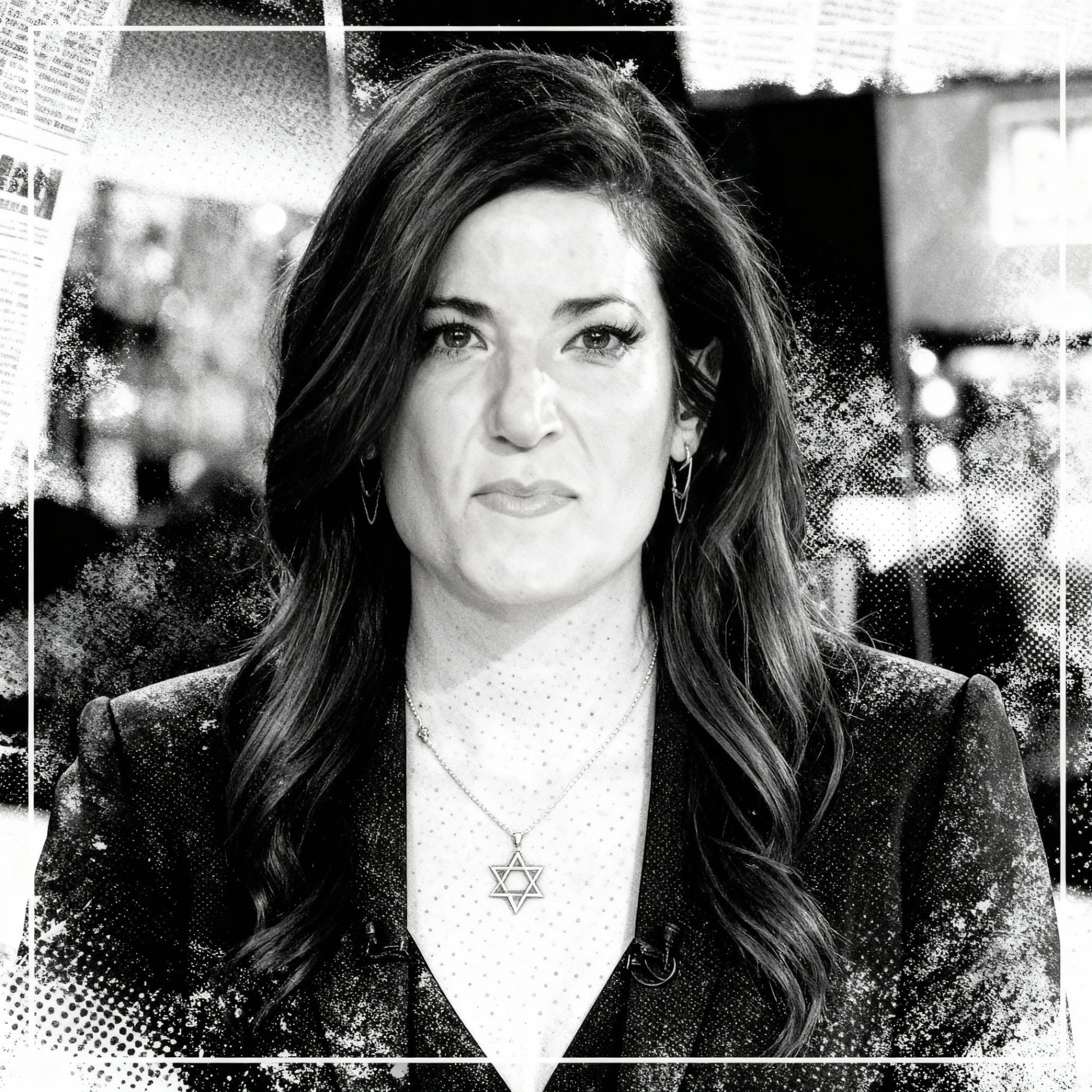
Batya Ungar-Sargon

    An Investigation

    Is Batya Ungar-Sargon Right About Jews?

    "Jews built the left in this country."

    Introduction: The Claim

    In a now-viral statement from October 2023, Batya Ungar-Sargon, Deputy Opinion Editor of Newsweek, made a definitive historical claim about Jewish influence in American politics. Her frustration with the Democratic Party's stance on Israel led her to assert:

    "The thing that makes this so appalling is that Jews built the left in this country. We built the labor movement. We wrote the New Deal. 70% of the lawyers who worked on civil rights cases were Jews. We've been at the forefront of every liberal and leftist issue in this country!"

    This declaration sparked intense debate. It was either a brave statement of fact or a controversial overstep, depending on one's perspective. But it raised a question that deserves a factual answer:

    Is Batya Ungar-Sargon's thesis correct?

    This page is a dedicated investigation into that question. We examine the historical evidence, prioritizing sources from Jewish organizations, mainstream historical institutions, and government bodies. This is an exercise in historical documentation, not an assignment of blame.
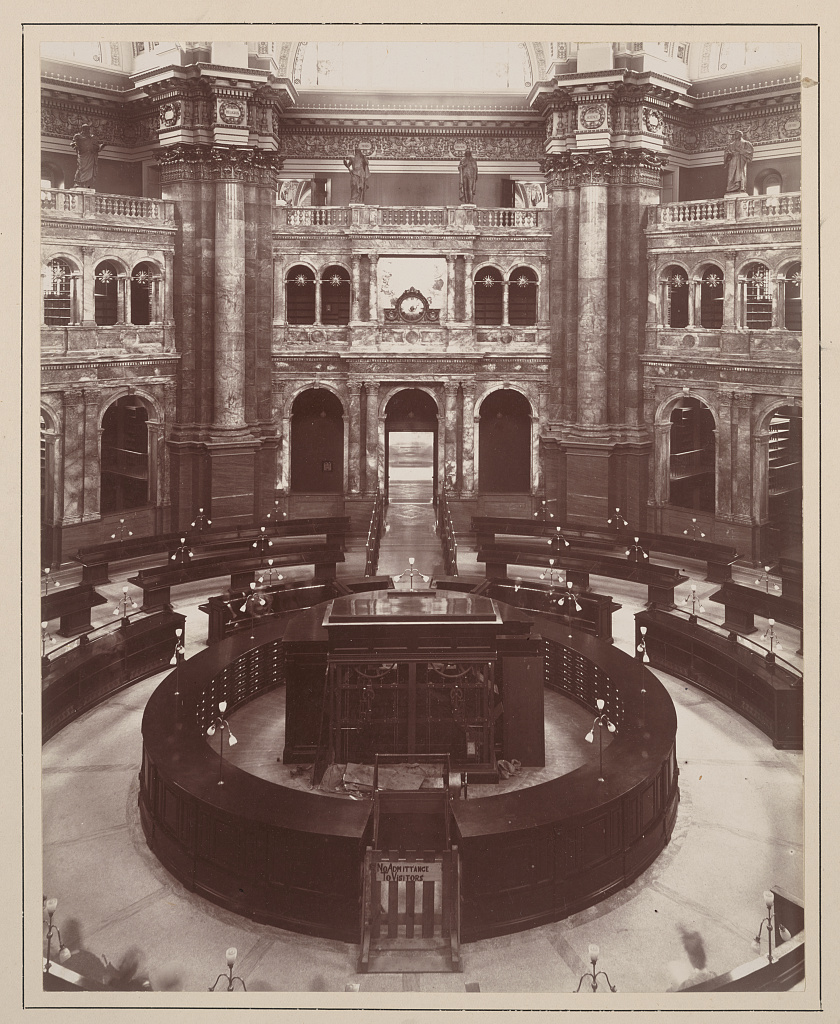
    Library of Congress Main Reading Room

    Our Methodology

    About This Research

    Photo: Library of Congress Main Reading Room — Library of Congress

    This investigation relies exclusively on publicly available records, historical archives, and—wherever possible—citations from Jewish sources themselves. This methodology is intentional: to ground this analysis in facts that are recognized within the community being discussed, avoiding reliance on hostile or external critics.

    We also maintain a crucial distinction: documenting the disproportionate influence of specific individuals and organizations within particular movements is not a statement about an entire ethnic or religious group. The vast majority of Jewish people are not activists in these movements. This analysis focuses on patterns of leadership and influence, not collective blame.

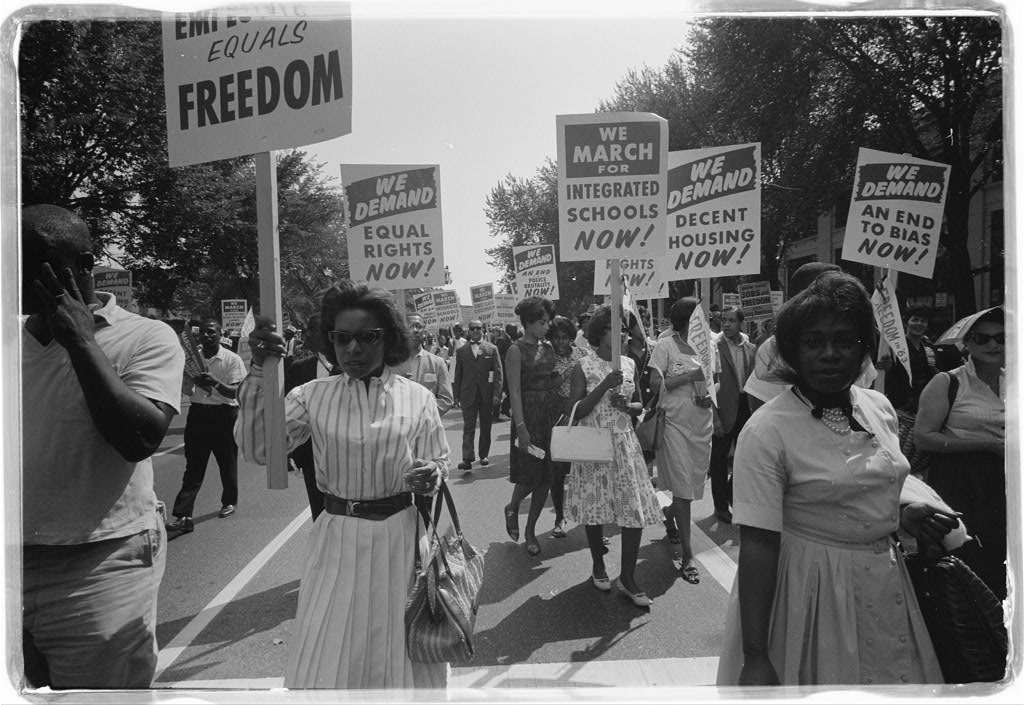
    March on Washington for Jobs and Freedom, 1963
    01

    Section 01

    The Civil Rights Movement

    Photo: The March on Washington, August 28, 1963

    The Claim

    "We built the labor movement... 70% of the lawyers who worked on civil rights cases were Jews."

    The Evidence

    Leadership

    Kivie Kaplan, a vice chairman of the Union of American Hebrew Congregations, served as national president of the NAACP from 1966 to 1975. The NAACP itself was co-founded with significant Jewish involvement and support.

    Legal Vanguard

    According to the U.S. Department of Justice, "Jewish Americans played significant roles in the civil rights movement." Jack Greenberg, whose parents fled European antisemitism, succeeded Thurgood Marshall as director-counsel of the NAACP Legal Defense Fund. He argued Brown v. Board of Education and numerous landmark cases on desegregation and civil rights.

    Grassroots Sacrifice

    ReformJudaism.org confirms that Jews made up roughly half of the volunteers for the 1964 Mississippi Freedom Summer. Rabbis marched and were arrested alongside Martin Luther King Jr. The murders of Jewish activists Andrew Goodman and Michael Schwerner, along with James Chaney, became a national rallying cry that accelerated the passage of the Voting Rights Act of 1965.

    Architectural Influence

    As documented by My Jewish Learning, many local and state desegregation regulations were drafted in the offices of Jewish agencies, including organizations like the American Jewish Committee, the American Jewish Congress, and the Anti-Defamation League.

    Movement Strategy and Messaging

    Stanley Levison, a progressive Jewish activist, was a crucial advisor, fundraiser, and ghostwriter for Martin Luther King Jr., contributing drafts to the famous "I Have a Dream" speech and shaping the public messaging of the civil rights movement.

    Verdict

    The evidence strongly supports Batya Ungar-Sargon's claim. Jewish involvement was not peripheral; it was foundational to the movement's legal, financial, organizational, and strategic dimensions.

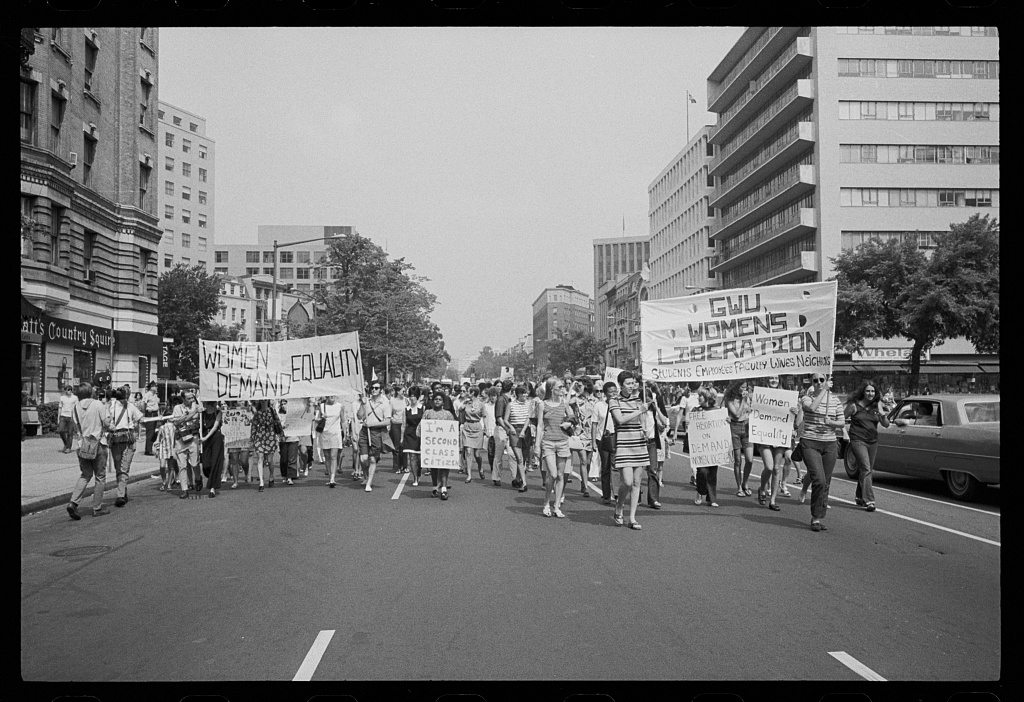
    Women's Liberation March, 1970
    02

    Section 02

    Feminism & The Sexual Revolution

    Photo: Women's Liberation March, Washington D.C., 1970 — Library of Congress

    The Claim

    "We've been at the forefront of every liberal and leftist issue…"

    The Evidence

    A disproportionate number of influential second-wave feminist theorists were of Jewish descent. Their work provided much of the intellectual framework for redefining sex, gender, and family structures in the West.

    Key figures include:

    Betty Friedan (née Goldstein)

    Author of The Feminine Mystique and co-founder of the National Organization for Women (NOW). Friedan's work depicted domestic life as stifling "drudgery" and argued for women's emancipation through careers and independence outside the home.

    Gloria Steinem

    Iconic journalist and political activist, a central public figure in second-wave feminism, known for her role in popularizing feminist ideas in mainstream media and politics.

    Andrea Dworkin

    Radical feminist writer best known for her ferocious critique of pornography (which, despite disagreements with her broader politics, correctly identified pornography as exploitative and corrosive).

    Shulamith Firestone

    Author of The Dialectic of Sex, who argued that true female liberation required the overthrow of biological reproduction constraints and even the "organization of nature" itself through technology and social revolution.

    Verdict

    The pattern of vanguard leadership is clear. While not all feminists were Jewish, the ideological core of second-wave feminism—particularly its most radical and transformative ideas—was heavily shaped by Jewish thinkers. This aligns with Ungar-Sargon's assertion of being "at the forefront" of leftist causes.

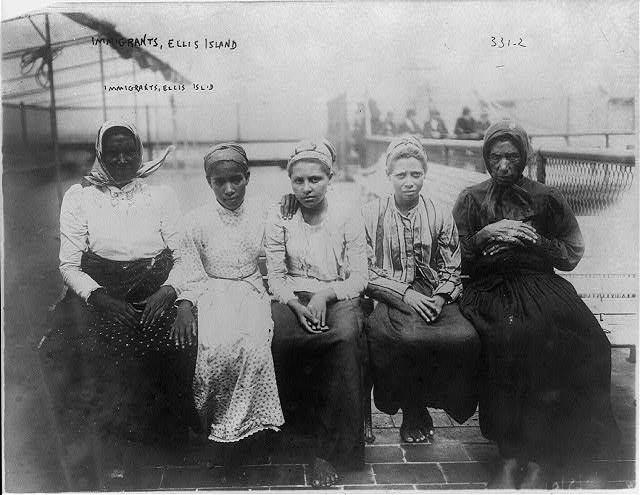
    Immigrants at Ellis Island, New York
    03

    Section 03

    Immigration & Multiculturalism

    Photo: Immigrants at Ellis Island — Library of Congress

    The Claim (Implicit)

    Being "at the forefront of every liberal and leftist issue" necessarily includes shaping the left's most transformative structural project: the redefinition of nationhood via immigration and multiculturalism.

    The Evidence

    The 1965 Immigration and Nationality Act

    This law abolished the national-origin quota system and dramatically altered the demographic composition of the United States. It was championed for over 40 years by Rep. Emanuel Celler, a Jewish congressman from New York. Celler explicitly framed his work as rectifying discrimination against Eastern and Southern Europeans, including Jewish immigrants.

    Ideological Foundations

    The intellectual basis for cosmopolitan, multicultural nationhood was advanced by figures such as Felix Adler, founder of the Ethical Culture movement. Adler took the logic of Reform Judaism and universalized it, arguing for the eventual dissolution of particular ethnic identities into a universal ethical society.

    The "Nation of Immigrants" Narrative

    The now-common phrase "a nation of immigrants" was popularized by John F. Kennedy in a book of that title, produced in collaboration with the Anti-Defamation League (ADL). This narrative conceptually equates the founding settler population with all later migrant flows, erasing meaningful historical and cultural distinctions.

    Verdict

    Jewish activists and intellectuals played a central role in dismantling the older national-origin based system and replacing it with an open-ended, multicultural immigration regime. This is entirely consistent with Ungar-Sargon's broader thesis of Jewish leadership across the American left.

    The Cleaver family from Leave It to Beaver, 1950s
    04

    Section 04

    Modern Cultural Institutions

    Photo: Leave It to Beaver cast, circa 1957 — Library of Congress

    Ungar-Sargon's claim is often heard in the context of political movements, but Jewish influence is also widely discussed in relation to media, NGOs, and cultural industries—sometimes proudly, sometimes critically, even within Jewish circles.

    Media, Activism, and Discourse Control

    NGOs and Watchdogs

    Organizations like the Anti-Defamation League (ADL) and the Southern Poverty Law Center (SPLC), founded and often staffed by Jewish professionals, act as powerful arbiters of public discourse. They frequently brand critical discussion of these patterns as "hate" or "extremism," which shapes the permissible boundaries of debate.

    Pornography and Cultural Subversion

    This is one of the most controversial areas of discussion, and therefore it is crucial to rely on Jewish and mainstream sources.

    Industry Leadership

    As reported by Jewish outlet The Forward, leadership in major pornography platforms has included figures such as Rabbi Solomon Friedman (a top compliance officer at Pornhub) and Leonid Radvinsky (the majority owner of OnlyFans). Both have played instrumental roles in shaping large-scale online pornography platforms.

    Al Goldstein's Admission

    The late publisher Al Goldstein, a prominent figure in the 20th-century porn industry, stated bluntly in an interview that Jews were disproportionately involved in pornography "because we think Christ sucks" and that pornography functioned as a way of attacking Christian culture. These are his words, not those of his critics.

    Social Impact

    Jewish writers like Yoram Hazony and others have themselves condemned pornography as a destructive, addictive force. Numerous studies and testimonies (including those from inside the industry) describe its devastating effects on relationships, mental health, and the capacity for emotional intimacy, especially among younger generations.

    Verdict

    While leadership in pornography and related media is not exclusively Jewish, there is a documented overrepresentation acknowledged in Jewish publications themselves. This reinforces the broader theme: Jewish individuals and institutions are frequently found at the leading edge of transformative, often disruptive cultural movements.

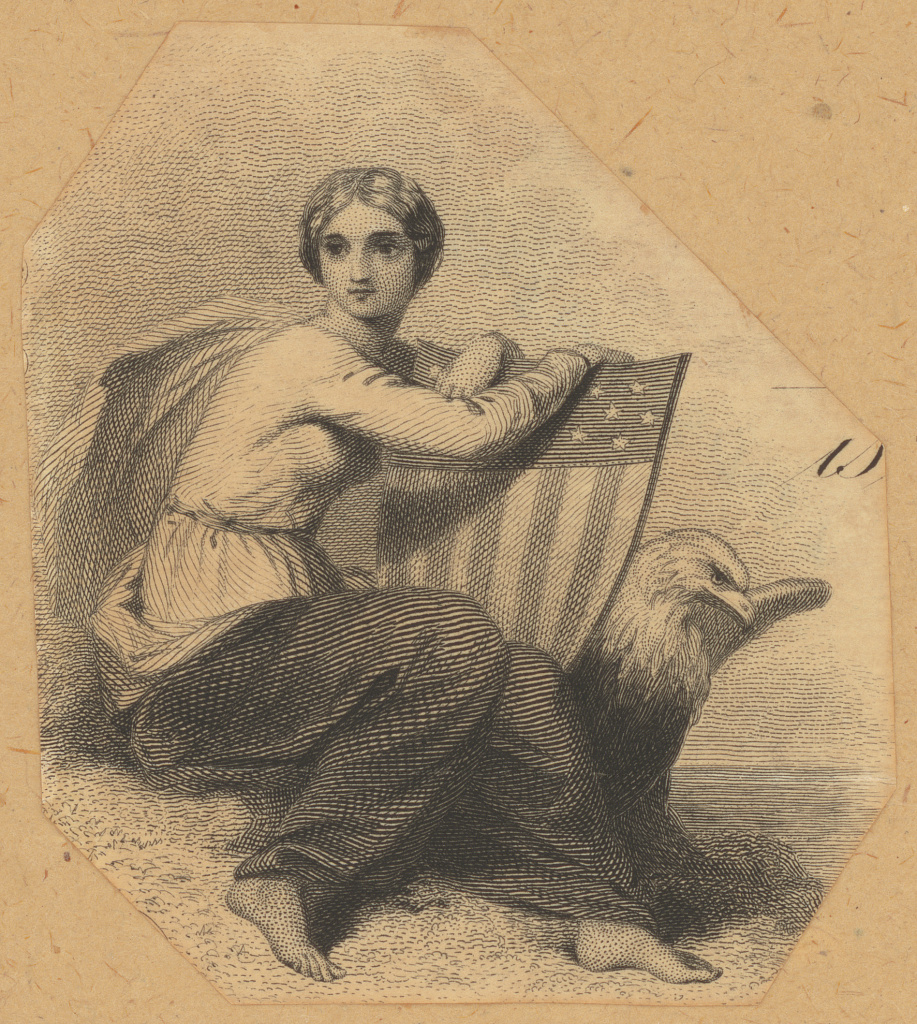
    Miss Columbia with stars-and-stripes shield and eagle

    Conclusion

    Understanding Jewish Political Influence

    Photo: Miss Columbia with Shield and Eagle — Library of Congress

    Batya Ungar-Sargon's thesis about Jewish political influence is correct.

    Jewish individuals and organizations were not merely participants in America's major progressive movements—they were often their principal architects and strategists. This influence was decisive across:

    • The Civil Rights Movement (legal strategy, funding, grassroots organization)
    • Feminism & The Sexual Revolution (ideological framework, institution-building)
    • Immigration & Multiculturalism (legislative reform, narrative construction)

    This is not interpretation. It is documented historical fact, confirmed by Jewish sources, government records, and mainstream scholarship.

    What This Means

    Understanding who built an institution reveals its embedded priorities and design. The progressive political landscape—centered on universalism, identity-based frameworks, and demographic transformation—reflects the specific ideological commitments of those most instrumental in its creation.

    Ungar-Sargon's frustration is therefore comprehensible: the coalition she says Jews built now frequently adopts positions hostile to Jewish political interests, particularly regarding Israel. This tension is a direct consequence of the success of that coalition-building project.

    Final Assessment

    To acknowledge Jewish influence in building the American left is not conspiracy theory. It is historical record. We must be able to discuss who built our institutions, what values they encoded into them, and how those institutions now function—without hysteria, threats, or taboo.

    Verdict

    "Jews built the left in this country."


    Watch the Full Investigation

    A comprehensive 2-hour breakdown of all the evidence presented above.


    Frequently Asked Questions


    Share This Investigation

    If you found this investigation useful, share it with others interested in understanding how our institutions were actually built—and what that means for the future.

    Share this investigation